ralston contracts



five easy wildlife-friendly gardening tips for better biodiversity
The choices you make in your garden can play a powerful role in supporting biodiversity. As natural habitats continue to shrink due to urban development, gardens of all sizes are becoming increasingly important refuges for wildlife. Whether you have a large garden or a small patio, simple, thoughtful changes can transform your outdoor space into a thriving haven for birds, bees, insects, and soil life.
Creating a wildlife-friendly garden isn’t just about attracting visible creatures like birds and butterflies. It’s about restoring balance to environments that have been disrupted by modern landscaping, paved driveways, and overly tidy spaces. You don’t need a wild meadow or vast land to make a difference. With a few practical adjustments, any garden can become a resilient mini-ecosystem that benefits both nature and the people who enjoy it.
Wildlife-friendly gardening improves the local environment, but it also brings clear benefits to your own wellbeing and garden health. Greater contact with nature has been shown to reduce stress and improve mental wellbeing, while increased biodiversity leads to healthier plants and higher yields in fruit and vegetable gardens. Encouraging wildlife also supports natural pest control, reducing the need for chemicals by attracting birds, frogs, and beneficial insects that help keep pests in check.
If you’re planning a garden redesign, it’s the ideal opportunity to incorporate wildlife-friendly and eco-conscious features from the outset. Existing habitats such as nests, shrubs, and burrows should always be considered and protected. Thoughtful planning — including planting zones, native species selection, and features like ponds or rain gardens — allows you to create a space that is both functional and rich in biodiversity throughout the year. Working with experienced landscape gardeners can help ensure the design remains practical, cohesive, and low-maintenance while still supporting wildlife.
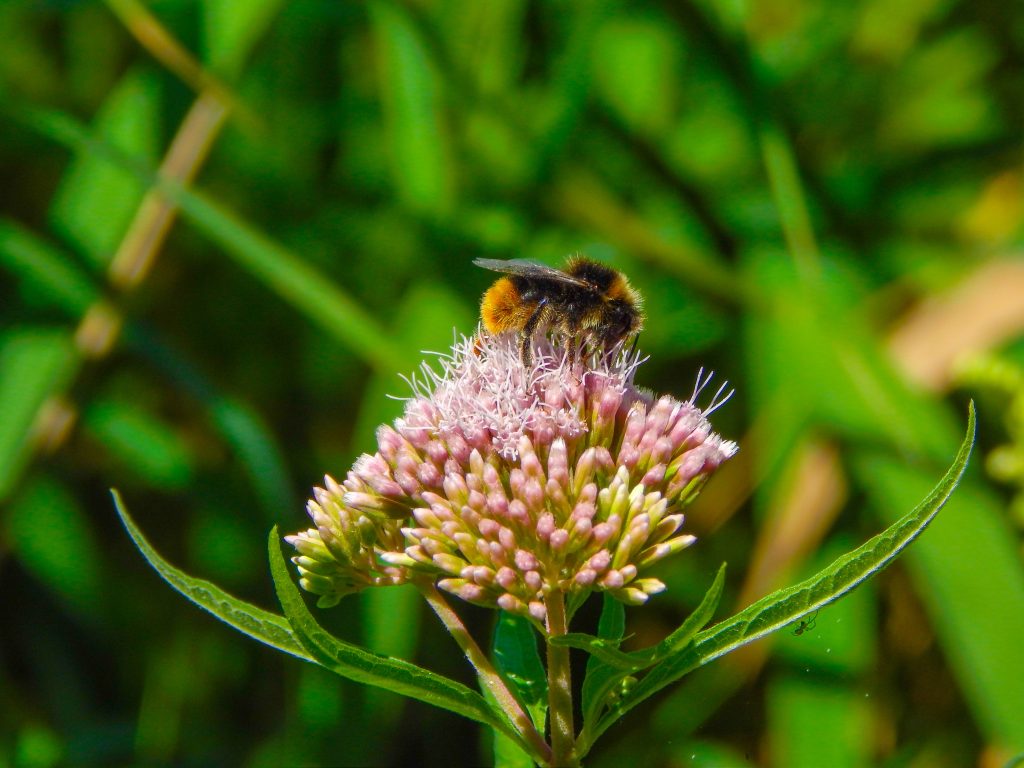
One of the simplest ways to improve biodiversity is by adding habitats.
Modern gardens often lack the shelter wildlife needs, but features such as log piles, insect hotels, bird boxes, feeders, and shallow water sources provide vital places for animals to rest, feed, and breed. Even small additions, like a mini pond or a shallow dish with pebbles for bees, can have a big impact.
Plant choice is another key factor.
Wildlife-friendly planting focuses on variety, structure, and year-round food sources. Native plants are particularly valuable as they’re well adapted to local conditions and support a wider range of wildlife. Mixing trees, shrubs, perennials, and ground cover creates a layered structure that mimics natural landscapes. In Ayrshire, native trees, shrubs, wildflowers, and coastal grasses are especially effective in supporting local ecosystems.
Reducing or eliminating chemicals is one of the fastest ways to see an increase in wildlife.
Pesticides and synthetic fertilisers harm pollinators, beneficial insects, birds, and the soil life that underpins a healthy garden. Natural alternatives such as organic mulch, diverse planting, and organic feeds help restore balance while saving money.
Using peat-free compost is another important step.
Peat extraction causes significant environmental damage, while peat-free compost supports living, nutrient-rich soil. Healthy soil encourages worms, insects, and microorganisms, strengthening plants and supporting biodiversity above and below ground.
Finally, embracing weeds and wildflowers can make a surprising difference.
Many so-called weeds are valuable native plants that provide essential food and shelter for wildlife. Allowing patches of wildflowers or unmown lawn helps create continuous food sources and supports local biodiversity.
You don’t need to overhaul your entire garden to make it wildlife-friendly. Small, intentional changes can collectively create a more vibrant, resilient outdoor space that’s bursting with life.
CALL 07475 425 590
MAIL info@ralstoncontracts.co.uk
WEB www.ralstoncontracts.co.uk