Behind The Label


Wine chat and quaffing advice from the Corney & Barrow wine experts!
While enjoying a glass or two of wine of an evening, have you ever looked at the bottle and wondered what the words on the label actually mean? Unless you are a bona fide wine expert, the dizzying array of technical terms such as “late harvest”, “sur lie”, “brut” and “reserva” can be baffling. But if you can decode the label, you will have a better understanding of what is in your glass.
Often confusing to consumers is the fact that wines from the Old World (aka Europe) usually do not feature the name of the grape variety, but instead, are named after the region or appellation the wine comes from. So, some presumed knowledge is required to know that Chablis is a region in the north of Burgundy, and produces wines made from the Chardonnay grape. Or that Chianti is a region in Tuscany, and the wines are made predominantly from Sangiovese. Take the two best-selling C&B wines shown in the picture; the bottle of Ana on the right is from Marlborough in New Zealand and clearly states that the grape is Sauvignon Blanc. So far so good. However, the Pouilly-Fumé on the left does not mention grape variety, and while you may have had a bottle of Pouilly-Fumé before and loved it, you wouldn’t automatically know that this wine is also made from Sauvignon Blanc. Pouilly-Fumé is the name of the appellation (a legally defined wine making area) in the Loire Valley, and wines from this region will always be made from Sauvignon Blanc, but a little bit of insider knowledge is required to know this!
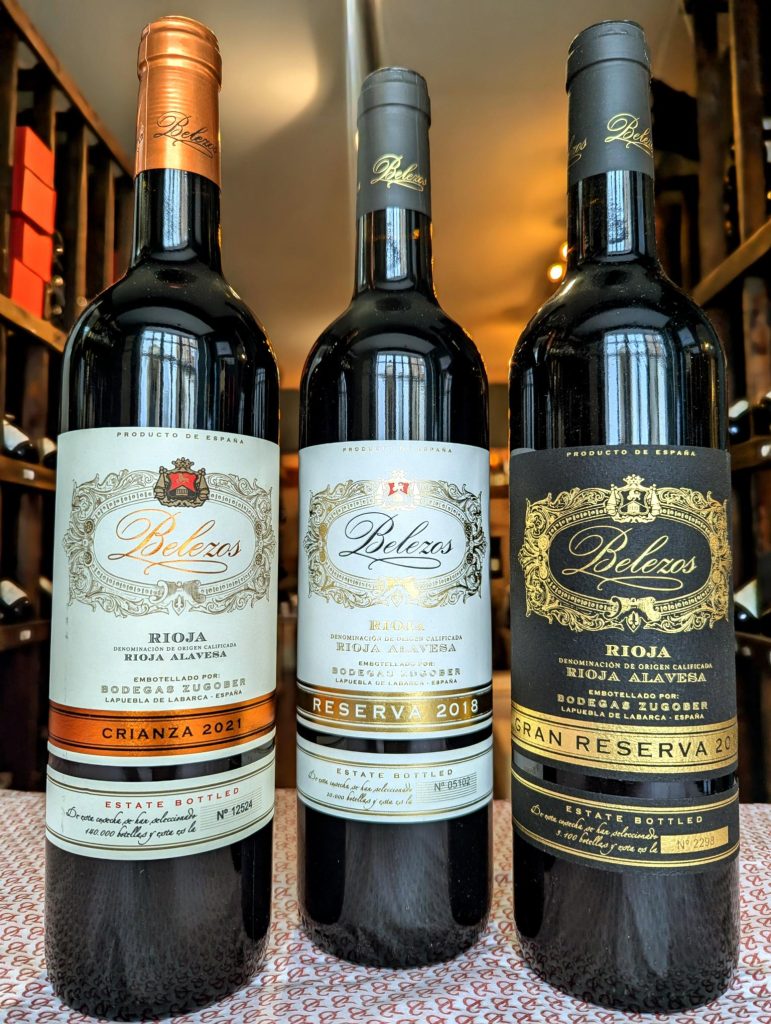
Look out for key words that can give you a clue about the style of wine you a drinking. Take Spanish Rioja for instance. The bottle will indicate how long the wines have been aged, so you will know whether the wine is going to be young and fruity or mature with lots of smoky, oak flavours from time in oak barrels.
So, a Rioja Crianza must be aged for a minimum of two years, a Reserva for three years, and a Gran Reserva for five years. Crianza will have some subtle vanilla and woody flavours but will still have an abundance of juicy red fruit, but expect lots of tertiary flavours from a Gran Reserva – dried fruit, coffee, and leather. Likewise, if you pick up a bottle of sparkling wine, be it Champagne, Cremant or Prosecco, look to the label for an indication of how dry or sweet the fizz while be – the driest style is Brut Zero, followed by Extra Brut and Brut, while the sweeter styles are Extra Dry, Sec, Demi-Sec and finally Doux.
And here are a few other terms that may have had you scratching your head:
- Classico: a historic delineated wine making region, e.g. Chianti Classico.
- Late Harvest: when grapes are left on the vine for longer than usual, so they become extra ripe, and start to raisin – these are often used for sweet wines.
- Sur Lie: usually associated with Muscadet. The wine is left in contact with dead yeast to add richness and texture.
Of course, if you need some assistance deciphering the label, the simplest advice we can give you is to head to your local specialist wine merchant, whose knowledgeable staff will be able to help you pick the perfect bottle…
Corney & Barrow Ayr is open
Tuesday – Saturday, 10am – 5.30pm